Difference between revisions of "Main Page"
Debra Tabron (talk | contribs) (Tag: Visual edit) |
|||
| Line 81: | Line 81: | ||
**[[Vapor Intrusion - Separation Distances from Petroleum Sources]] | **[[Vapor Intrusion - Separation Distances from Petroleum Sources]] | ||
**[[Vapor Intrusion – Sewers and Utility Tunnels as Preferential Pathways]] | **[[Vapor Intrusion – Sewers and Utility Tunnels as Preferential Pathways]] | ||
| + | |||
<u>'''[[Characterization, Assessment & Monitoring]]'''</u> | <u>'''[[Characterization, Assessment & Monitoring]]'''</u> | ||
| Line 100: | Line 101: | ||
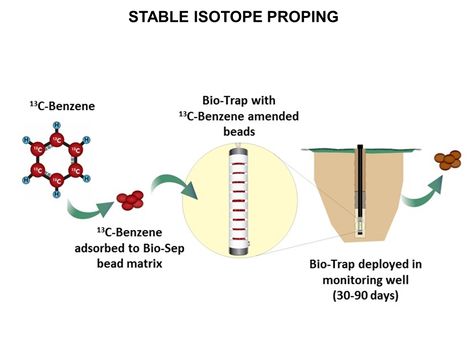
**[[Stable Isotope Probing (SIP)]] | **[[Stable Isotope Probing (SIP)]] | ||
*[[Natural Attenuation in Source Zone and Groundwater Plume - Bemidji Crude Oil Spill]] | *[[Natural Attenuation in Source Zone and Groundwater Plume - Bemidji Crude Oil Spill]] | ||
| + | |||
<u>'''[[Climate Change]]'''</u> | <u>'''[[Climate Change]]'''</u> | ||
| + | |||
*[[Climate Change Primer]] | *[[Climate Change Primer]] | ||
| − | |||
| − | |||
| style="width:33%; vertical-align:top; " | | | style="width:33%; vertical-align:top; " | | ||
<u>'''[[Coastal and Estuarine Ecology]]'''</u> | <u>'''[[Coastal and Estuarine Ecology]]'''</u> | ||
*[[Phytoplankton (Algae) Blooms]] | *[[Phytoplankton (Algae) Blooms]] | ||
| + | |||
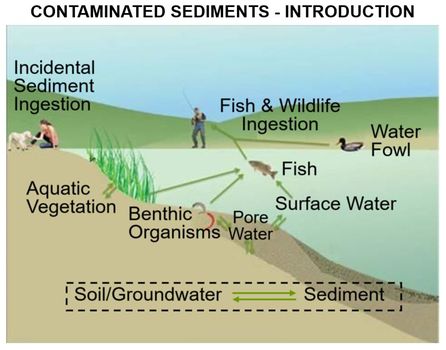
<u>'''[[Contaminated Sediments]]'''</u> | <u>'''[[Contaminated Sediments]]'''</u> | ||
| Line 115: | Line 117: | ||
*[[Contaminated Sediments - Introduction]] | *[[Contaminated Sediments - Introduction]] | ||
| − | |||
| − | |||
| − | |||
| − | |||
| − | |||
| − | |||
| − | |||
| − | |||
| − | |||
| − | |||
| − | |||
<u>'''[[Munitions Constituents]]'''</u> | <u>'''[[Munitions Constituents]]'''</u> | ||
| Line 139: | Line 130: | ||
*[[Munitions Constituents - IM Toxicology | Toxicology]] | *[[Munitions Constituents - IM Toxicology | Toxicology]] | ||
*[[Munitions Constituents- TREECS™ Fate and Risk Modeling|TREECS™]] | *[[Munitions Constituents- TREECS™ Fate and Risk Modeling|TREECS™]] | ||
| + | |||
<u>'''[[Monitored Natural Attenuation (MNA)]]'''</u> | <u>'''[[Monitored Natural Attenuation (MNA)]]'''</u> | ||
| Line 148: | Line 140: | ||
*[[Monitored Natural Attenuation - Transitioning from Active Remedies| Transitioning from Active Remedies]] | *[[Monitored Natural Attenuation - Transitioning from Active Remedies| Transitioning from Active Remedies]] | ||
| − | + | ||
<u>'''[[Regulatory Issues and Site Management]]'''</u> | <u>'''[[Regulatory Issues and Site Management]]'''</u> | ||
| Line 158: | Line 150: | ||
*[[Sustainable Remediation]] | *[[Sustainable Remediation]] | ||
| − | <u>'''[[Remediation Technologies]]'''</u> | + | | style="width:33%; vertical-align:top; " |<u>'''[[Remediation Technologies]]'''</u> |
*[[Bioremediation - Anaerobic|Anaerobic Bioremediation]] | *[[Bioremediation - Anaerobic|Anaerobic Bioremediation]] | ||
| Line 187: | Line 179: | ||
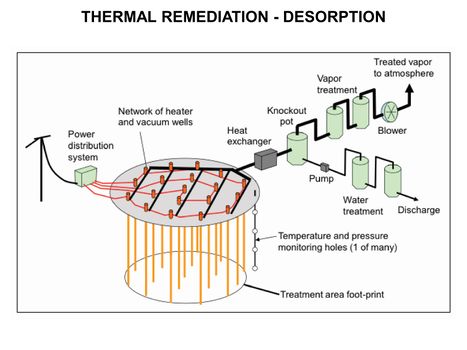
**[[Thermal Remediation - Smoldering | Smoldering]] | **[[Thermal Remediation - Smoldering | Smoldering]] | ||
**[[Thermal Remediation - Steam | Steam]] | **[[Thermal Remediation - Steam | Steam]] | ||
| + | |||
| + | |||
| + | <u>'''[[Soil & Groundwater Contaminants]]'''</u> | ||
| + | |||
| + | *[[1,4-Dioxane]] | ||
| + | *[[Chlorinated Solvents]] | ||
| + | *[[Metal and Metalloid Contaminants|Metals and Metalloids]] | ||
| + | *[[N-nitrosodimethylamine (NDMA)]] | ||
| + | *[[Perchlorate|Perchlorate]] | ||
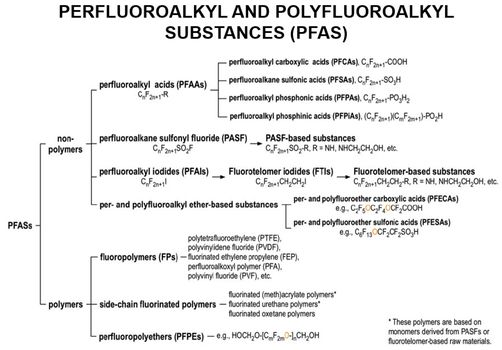
| + | *[[Perfluoroalkyl and Polyfluoroalkyl Substances (PFAS)|PFAS]] | ||
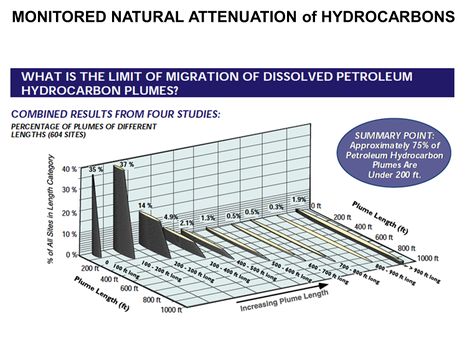
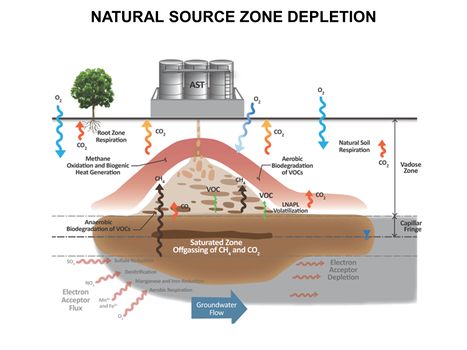
| + | *[[Petroleum Hydrocarbons (PHCs)]] | ||
| + | *[[Polycyclic Aromatic Hydrocarbons (PAHs)]] | ||
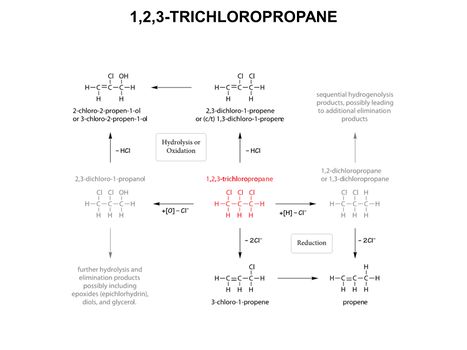
| + | *[[1,2,3-Trichloropropane|Trichloropropane (TCP)]] | ||
|} | |} | ||
|} | |} | ||
|} | |} | ||
Revision as of 11:49, 5 June 2020
Peer Reviewed. Accessible. Written By Experts |
 |
| The goal of ENVIRO.wiki is to make scientific and engineering research results more accessible to environmental professionals, facilitating the permitting, design and implementation of environmental projects. Articles are written and edited by invited experts (see Contributors) to summarize current knowledge for the target audience on an array of topics, with cross-linked references to reports and technical literature. | See Table of Contents |
Featured article / Phytoplankton (Algae) Blooms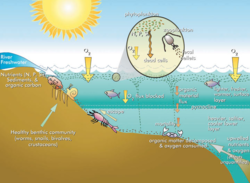 (Full article...) |
Enviro Wiki Highlights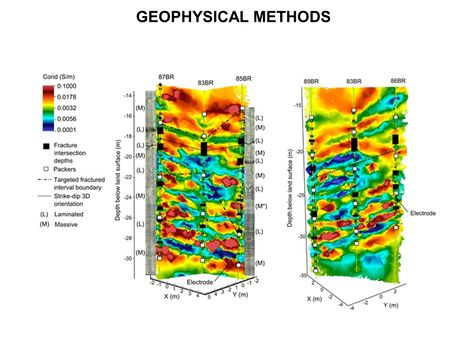 High-resolution 3D cross-borehole electrical imaging of contaminated fractured rock at the former Naval Air Warfare Center in New Jersey. Cross-borehole resistivity tomography imaging is a geophysical technique that can be used for site characterization and monitoring by observing variations in the electrical properties of subsurface materials |